Chilling (literally) in the Cambodia Highlands

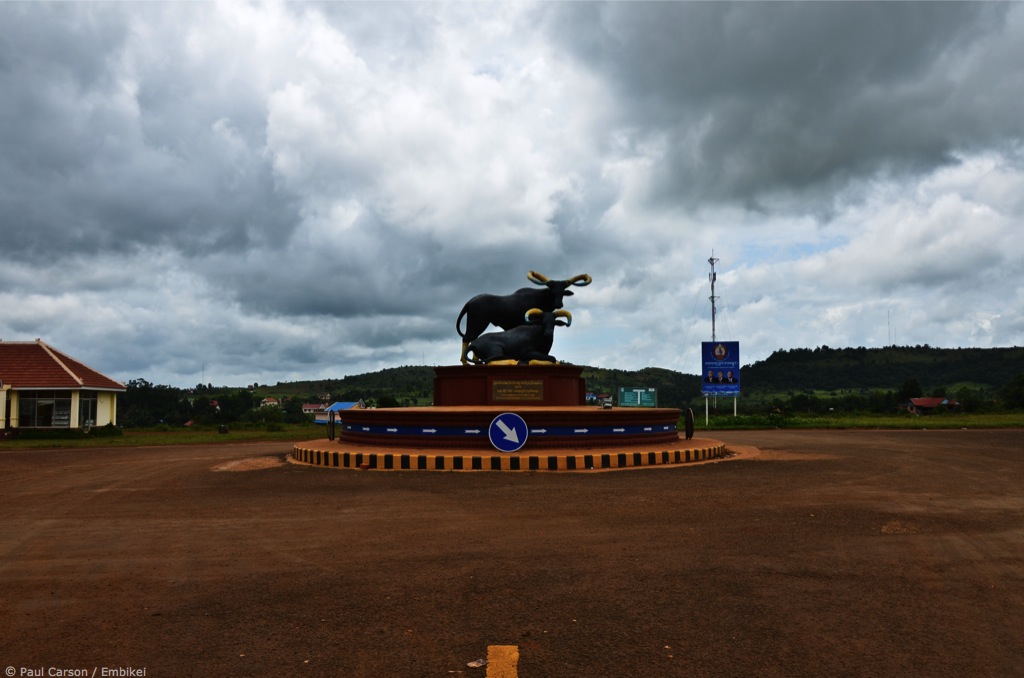
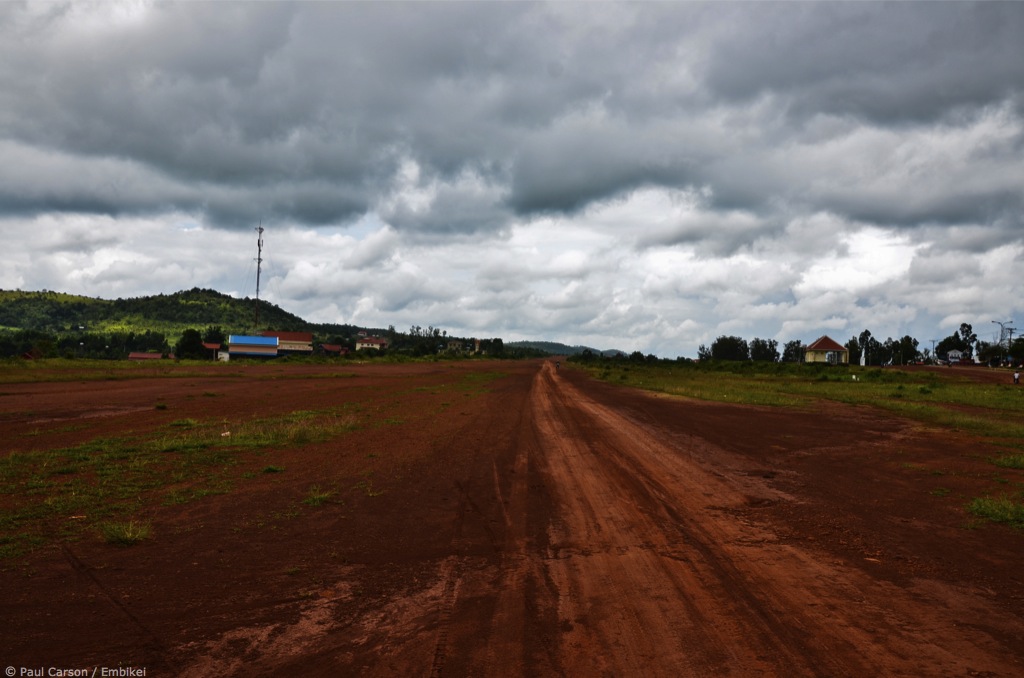
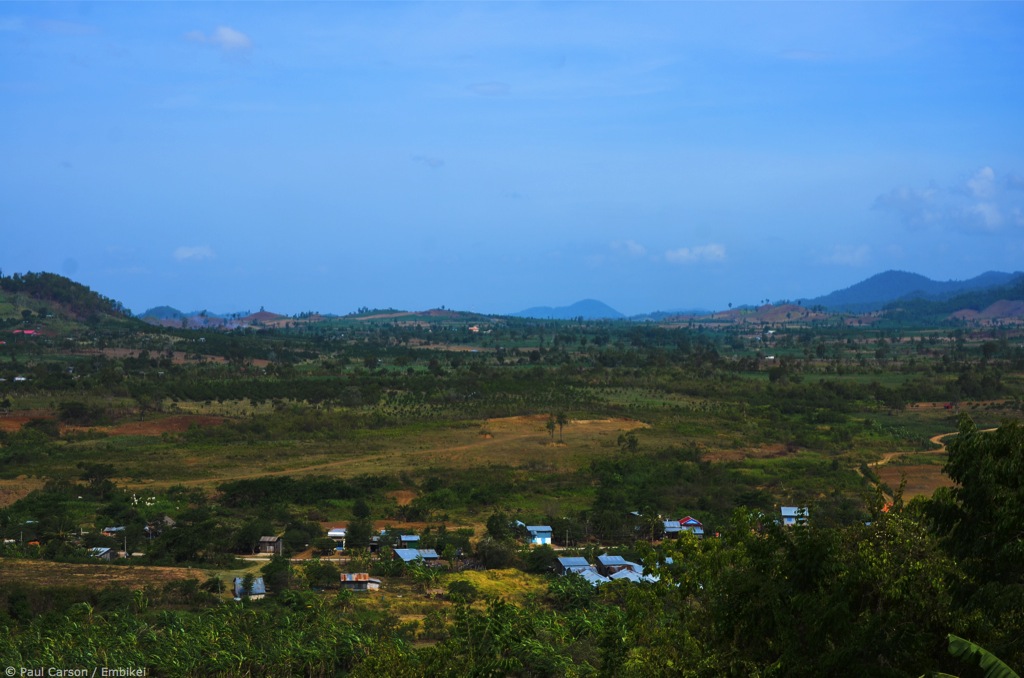
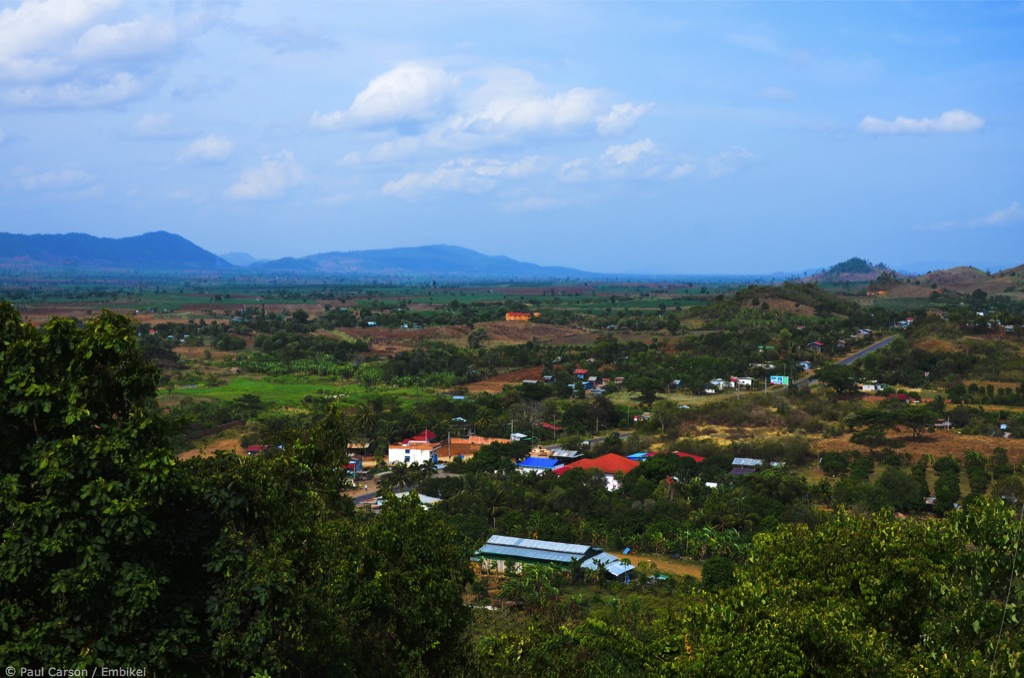
SEN MONOROM, CAMBODIA – 800 meters above sea level, in Mondulkiri province, it’s noticeably less warm and humid than the more inhabited and visited lowlands of Cambodia. The air is fresh, and refreshingly crisp.

However, a dose of the flu and some very unpredictable weather has meant that I’ve not been able to get into the jungle or take as many photos as I would’ve liked. But I’ve been enjoying the relaxed vibe of Sen Monorom, the provincial capitol. And it’s nice to not be perspiring all the time.

Lakeside Remnants

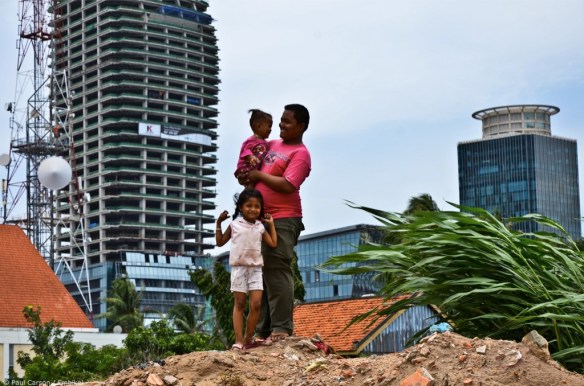
After having not been there for about 18 months, I decided to check out what’s left of the Boeung Kak district of Phnom Penh, the area formerly known as Lakeside.

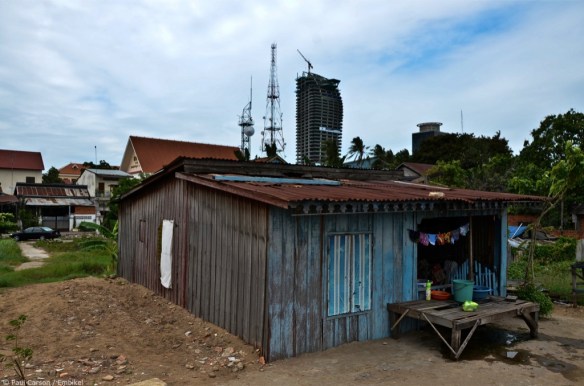
Demolished StoreTeachers Greet Students At Makeshift SchoolAbandoned StoreLakeside ShackStreet 93Camry at LakesideLakeside FamilyVattanac TowerFormer Lake

In August of 2010 I wrote a piece about the development of Boeung Kak by Shukaku, Inc. While construction has not yet commenced, most of the businesses around the now filled-in lake have either closed down or moved, but there are a few holdouts against the decline of the neighbourhood. Grand View and Number 10 are two of the old guesthouses still operating (though the view is far from grand now), and the only actual bar still there is Lost And Found.

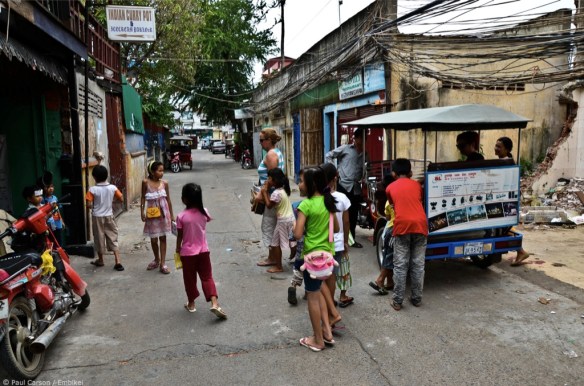
I spoke with a tuktuk driver who’d lived in the area for most of his life, and he was of the opinion that once the proposed highrise buildings went up, bulldozers would be run through the rest of that end of Street 93 to make way for an access road to the development.

But, as many people like to say, “This is Cambodia.” Anything could happen at any time, or nothing might happen for years.

Photos from a Frontier Town

A small town 17 kilometers from the Thai border and 80 kilometers from Battambang, Pailin is often called the Wild West of Cambodia. During my three-night stay, I didn’t see another Westerner. I was even forced to try out my very limited Khmer when it came to ordering food and drinks and finding out how much things cost. Pailin would be the perfect antidote to anyone burned out from Cambodia’s “tourist trail”.


It’s true that there’s not a lot here for travellers, but for me that’s part of its appeal. There are no Western-style bars, no nightlife to speak of. It’s a true Cambodian town which has not felt the touch of tourism. In fact, every transport option that I was given while there offered me a lift out of town, either to Battambang or to the Thai border. For a Westerner to stay in Pailin is evidently still something of a novelty.

The town has a chequered past, from being a wealthy area famous for its abundance of gems and timber in the 1800s to being one of the last strongholds of the Khmer Rouge as recently as 1998.

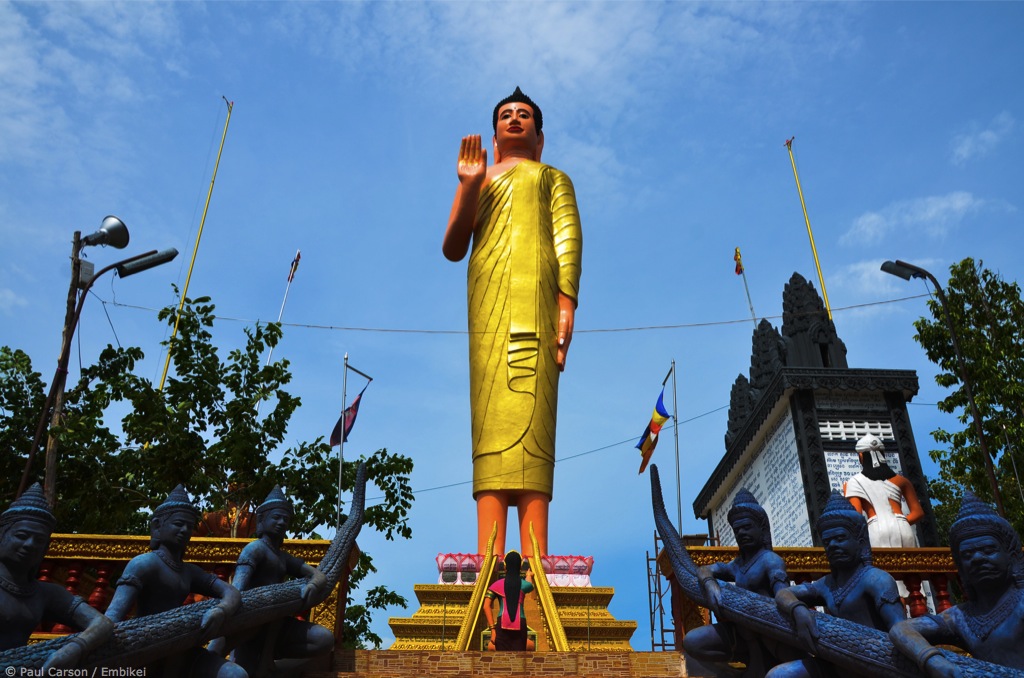
The area is populated with descendents of Burmese immigrants who came to the area in the late 1800s in search of fortune. One of the remaining influences from Burma is the golden stupa at Wat Phnom Yat on the edge of town.


It’s A Small World After All

Tiny Planets, an iOS app developed by Infoding, creates some very interesting photo effects…

Independence Monument / Phnom Penh, Cambodia

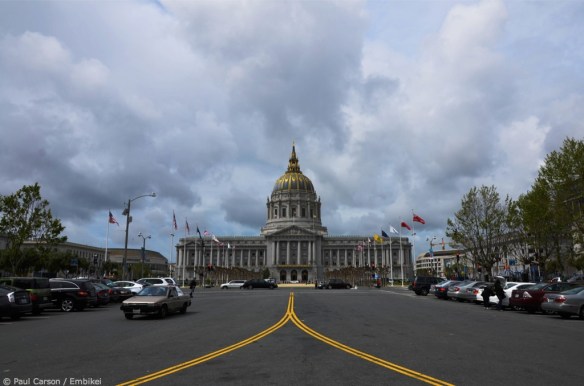
San Francisco City Hall

Angkor Wat / near Siem Reap, Cambodia

Huntington Beach, USA

Royal Palace / Phnom Penh, Cambodia

Golden Gate Bridge / San Francisco, USA

Olloclip adds new dimensions to iPhone photography

On a recent trip to the US I bought myself an Olloclip, a tiny set of lenses designed to be used with the iPhone 4 and 4S.

The Olloclip, like its name suggests, is a quick-connect lens system which clips over the iPhone’s rear-facing camera, allowing you to take wide-angle, macro, and fisheye shots.

No Lens

No Lens

Wide Angle

Wide Angle

Fish-Eye

Fish-Eye

Macro

Macro

It comes with its own microfibre pouch for cleaning and safe keeping.

Check out the Olloclip website for prices and purchasing info.

[Disclaimer: I’ve not received a cent from either Olloclip or Apple for this post.]

Cambodian opposition MP starts election campaign

BATTAMBANG, CAMBODIA – Cambodian opposition party Member of Parliament Mu Sochua commenced her campaign in Battambang in the run-up to the commune elections to be held early next month.
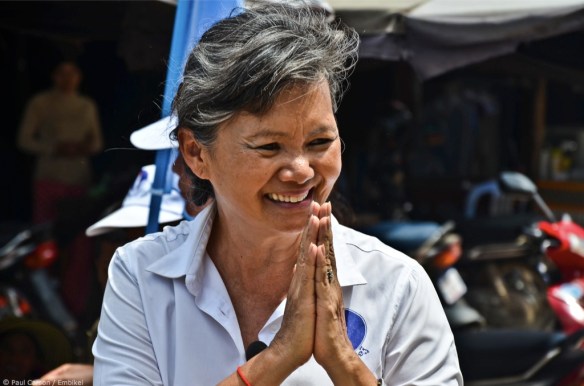
Mu Sochua, Sam Rainsy Party Member of Parliament
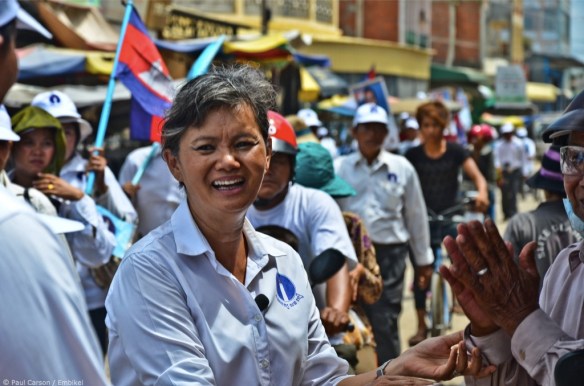
Mu Sochua meets the public in Battambang.
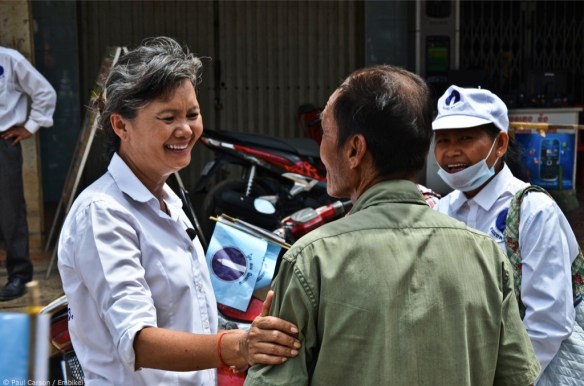
Mu Sochua meets the public in Battambang.
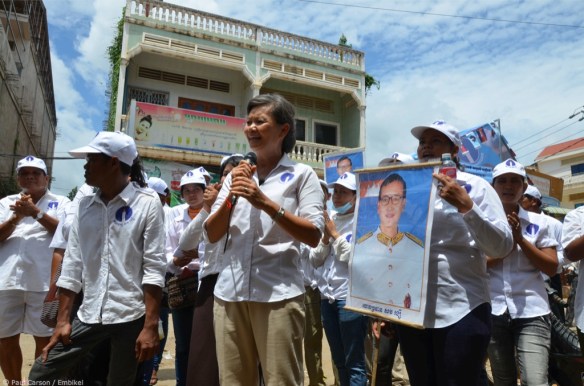
Mu Sochua leading supporters in a song outside a market in Battambang.
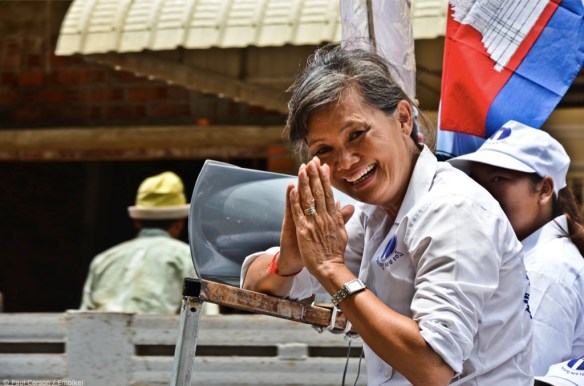
Sam Rainsy Party MP Mu Sochua

Supporters of Mu Sochua riding through Battambang.

Mu Sochua in her campaign vehicle on the way to a rally at a temple on the outskirts of Battambang.

Sam Rainsy Party supporters carry the party flag.

The campaign convoy started near Psar Nath, one of Battambang’s main markets, and wound its way through the streets. Mu Sochua stopped a few times at other streetside markets to give speeches and meet with local people before moving to a temple several kilometres from town for a refreshment break.

Supporters wearing white t-shirts and caps printed with the Sam Rainsy Party logo took part in the convoy, riding motor scooters, cars and trucks through the outskirts of Battambang to the temple in Ek Phnom district

After the break, the convoy resumed its trip through the province.

In 1972, when Mu Sochua was 18 years old, she was sent to live in Paris by her mother. The war in Vietnam was spilling over the border into Cambodia, causing many people to flee the country.

Two years after leaving her homeland, Sochua moved to San Francisco to pursue an education at the Berkeley campus of the University of California as well as San Francisco State University.

The Cambodian capital Phnom Penh fell to the control of the Khmer Rouge the following year, 1975.

When the Vietnamese removed the Khmer Rouge from power in early 1979, Cambodian refugees poured out of the region, with many settling in the United States. While studying in California Sochua was doing work with refugees from all over the world, and says that she spent many days at San Francisco Airport in the hope that one day she would she her family step off the plane.

That wish was never granted. Sochua never saw her family again.

After finishing her bachelor’s degree in Psychology and a masters in Social Work, Sochua returned to Cambodia in 1990 to assist in the rebuilding of her country, a task she describes as “paying (her) dues”.

Mu Sochua was a member of Prime Minister Hun Sen’s Cambodian People’s Party until January of 2004 when she left to join the opposition Sam Rainsy Party. While in the Cambodian People’s Party, Mu Sochua was Minister for Womens’ Affairs, a post she held from 1998 until her resignation from the government party.

During that time, she fought extensively for women’s rights in rural Cambodia and battled human trafficking. She is a renowned advocate for human rights, and this is the platform upon which her political campaign is built.